
Unlocking Synergy: Dynamic Duo of Agility and Artificial Intelligence (AI)

Unlocking Synergy: Dynamic Duo of Agility and Artificial Intelligence (AI)

Discover how Agility and Artificial Intelligence (AI) are reshaping modern organizations by driving adaptability, operational efficiency, and continuous innovation. This blog explores how AI-powered automation and intelligence augment agile practices, enabling faster decision-making, streamlined workflows, and more resilient business outcomes in an increasingly complex digital environment. Readers will gain practical insights into embedding AI within agile frameworks to empower teams, optimize processes, and deliver measurable value at scale.

These concepts are brought to life through industry-aligned learning experiences such as AI-Native Foundations: Change Agent (in-person) and AI for Leaders (virtual), offered at Penn State Great Valley, Malvern, PA, USA. Authored and created by Kiran Thakkar, AI Adjunct Instructor at Penn State, these courses bridge theory and real-world application—equipping leaders, project managers, and transformation professionals with actionable strategies to leverage AI and agility together for sustainable growth and competitive advantage.

read more
A Day in the Life of a Scrum Master

A Day in the Life of a Scrum Master

Step into the shoes of a Scrum Master and explore their daily routine, key responsibilities, and challenges. Learn how they drive Agile success by facilitating teamwork, removing roadblocks, and fostering continuous improvement. Whether you’re an aspiring Scrum Master or a seasoned Agile professional, this guide offers insights to enhance your Agile journey.

read more
Impact of Artificial Intelligence on employment

Impact of Artificial Intelligence on employment

Artificial Intelligence is rapidly reshaping the global workforce, transforming how jobs are created, performed, and redefined. From automation in manufacturing to AI-driven decision support in healthcare, finance, and IT, the impact of artificial intelligence on employment is both disruptive and full of opportunity. While routine and repetitive roles face higher risks of automation, new jobs are emerging in AI development, data analysis, cybersecurity, and human-AI collaboration.

This article explores how AI is changing employment patterns, which industries are most affected, and the skills professionals need to stay relevant in an AI-driven economy. It also examines real-world examples, future workforce trends, and strategies organizations can adopt to reskill employees and minimize job displacement. Understanding the impact of AI on employment is critical for businesses, policymakers, and workers preparing for the future of work.

read more
Selling Agile to Executives

Selling Agile to Executives

Selling Agile to executives requires more than frameworks and ceremonies—it demands a clear connection to business outcomes. Senior leaders care about revenue growth, time-to-market, risk reduction, and customer value, not stand-ups or sprint jargon. This article explains how to position Agile as a strategic enabler rather than a delivery methodology, helping executives see how Agile supports organizational agility, faster decision-making, and measurable ROI.

Through real-world examples, executive-level messaging, and proven change-management techniques, the blog explores common executive objections to Agile and how to overcome them. It also highlights how Agile aligns with enterprise goals such as digital transformation, AI adoption, and operational efficiency. Whether you are an Agile coach, product leader, or transformation consultant, understanding how to sell Agile to executives is essential for driving sustainable change and securing leadership buy-in.

read more
Top 10 Tips for Effective Product Management

Top 10 Tips for Effective Product Management

Effective product management is the foundation of building products that customers value and businesses can scale. In today’s fast-paced, technology-driven markets, product managers must balance customer needs, business goals, and technical feasibility to deliver successful outcomes. This blog outlines the top 10 tips for effective product management, focusing on practical strategies that help product leaders prioritize the right work, make data-driven decisions, and drive cross-functional alignment.

From defining a clear product vision and roadmap to leveraging customer feedback, analytics, and Agile practices, these tips address the real challenges product managers face every day. Whether you are launching a new product, managing a complex portfolio, or scaling an existing platform, mastering these product management best practices can improve time-to-market, product quality, and customer satisfaction—while maximizing long-term business value.

read more
Business Agility with Agile Culture

Business Agility with Agile Culture

Business agility is no longer a competitive advantage—it is a survival requirement. Organizations that fail to build an Agile culture struggle to keep pace with digital disruption, customer expectations, and accelerating market change. While many enterprises invest heavily in digital transformation, far fewer address the cultural and operating model shifts required to realize real value. Without Agile ways of working, technology investments stall, decision-making slows, and innovation becomes reactive rather than strategic. This blog challenges leaders to rethink business agility as a leadership and culture priority, not just an IT initiative.

read more
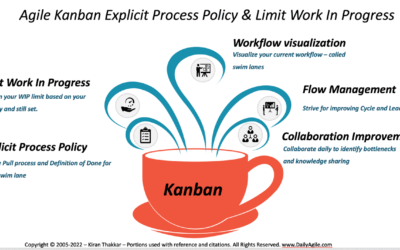
Lean, Kanban and Scrum – ScrumBan

Lean, Kanban and Scrum – ScrumBan

Lean, Kanban, and Scrum are three of the most widely used Agile approaches, each offering unique strengths for improving flow, collaboration, and delivery outcomes. As organizations mature in their Agile journey, many teams move beyond using a single framework and adopt Scrumban—a hybrid approach that combines Scrum’s structure with Kanban’s focus on flow and continuous improvement.

This blog explains the key differences between Lean, Kanban, and Scrum, when each approach works best, and how Scrumban helps teams balance predictability with flexibility. By reducing work in progress, improving visibility, and enabling faster feedback, Scrumban allows teams to adapt to changing priorities without sacrificing delivery discipline. Whether you are scaling Agile or optimizing team performance, understanding how these methods work together is essential for achieving sustainable business agility.

read more
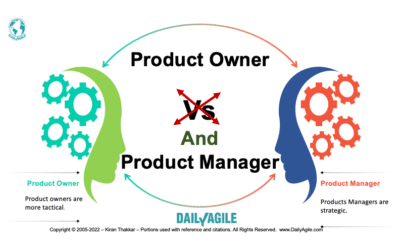
Product Owner vs Product Manager

Product Owner vs Product Manager

Although there is considerable overlap, the phrases are frequently used synonym of each other. Product manager and product owner responsibilities differ, nevertheless. In this article, we'll compare the duties and responsibilities of a product owner vs product manager...

read more
How Scrum Can Help Teams in Foreign Trade

How Scrum Can Help Teams in Foreign Trade

While Scrum is light and easy, foreign trade is cumbersome and complex. Is the Scrum framework capable of bringing more light to the daily lives of foreign trade professionals? The efficiency of the foreign trade sector is directly linked to the quality of the team...

read more

Featured Courses