Is being agile your top enterprise priority along with digital transformation?
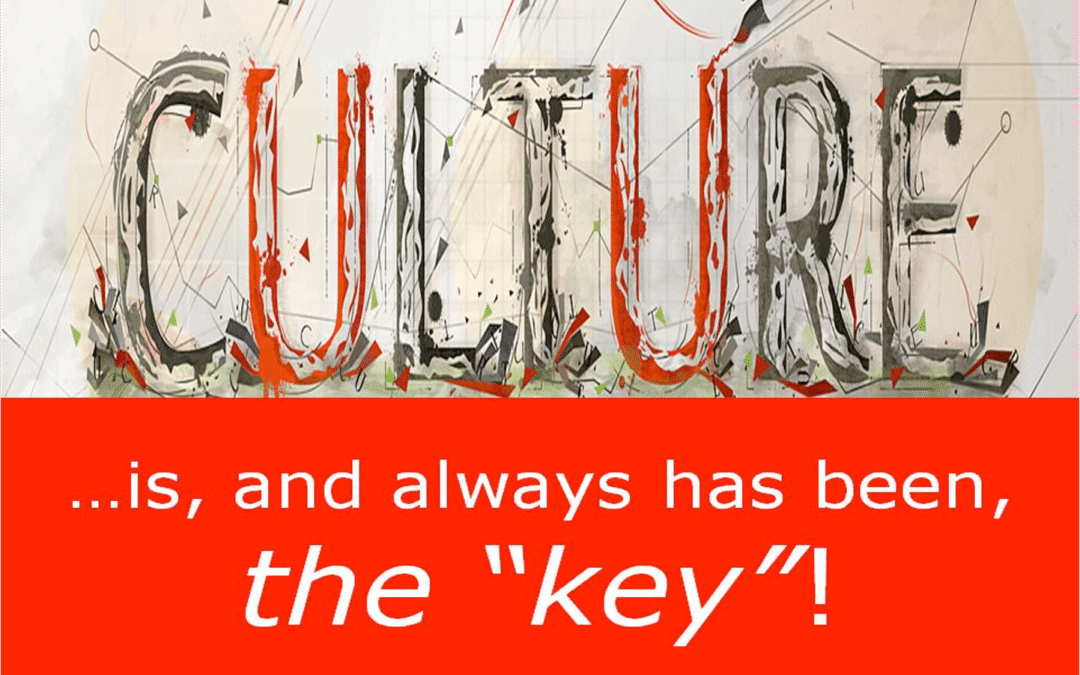
Consider Culture as your top priority to improve business agility!
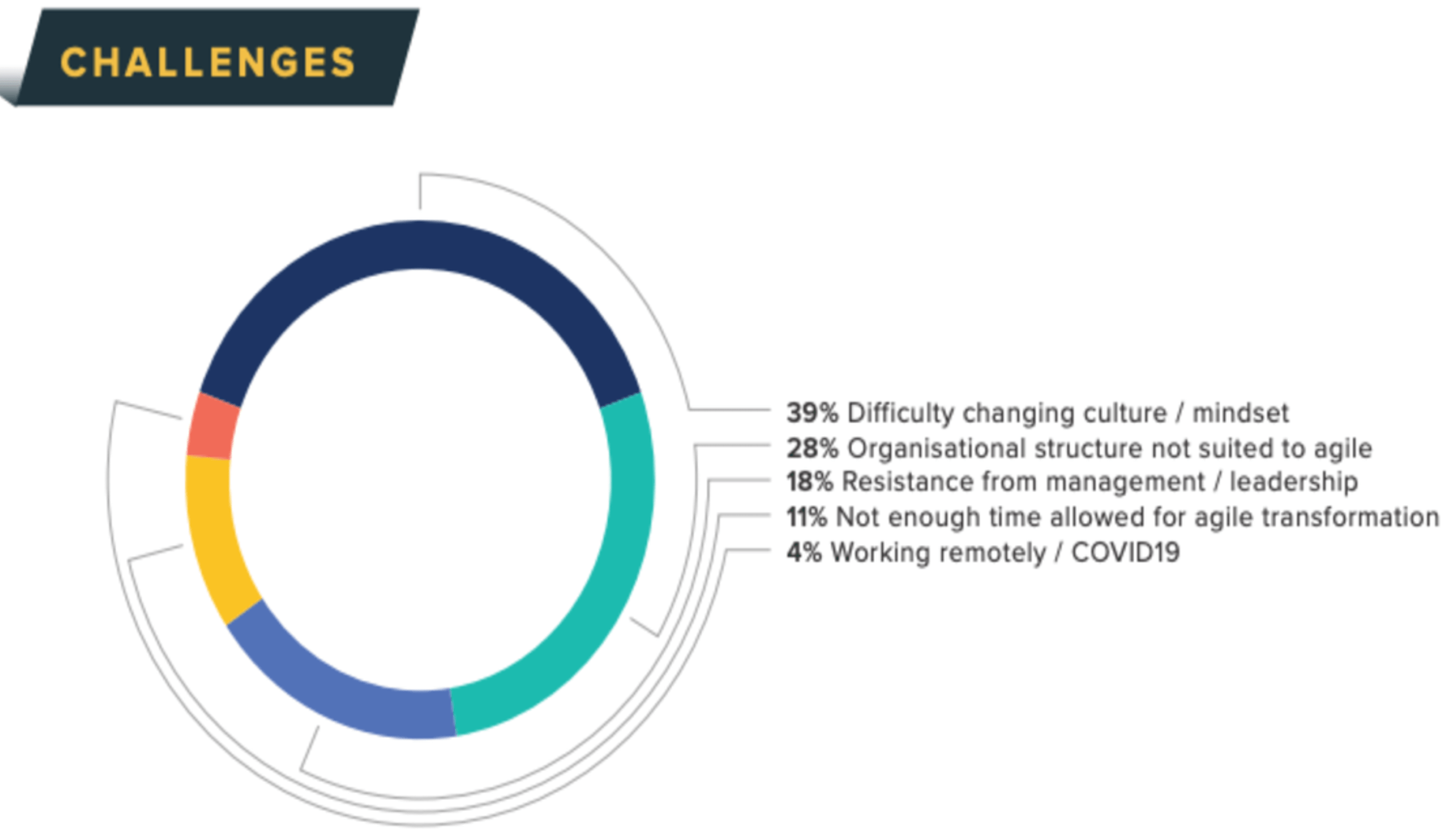
Are you seeing that your organization culture is not suited for accelerating business agility? Per Scrum Alliance 2022 State of Agile Coaching Report ‘39% participants reported that number one challenge in agile transformation is difficulty changing culture / mindset’. Globally a vast number of organizations are adopting some kind of agility to improve time to market, customer value, and employee morale. Covid-19 helped many organizations to understand harsh reality of pivot, produce or perish. Covid-19 also helped organizations accelerate business agility.
As per 16th-Annual-State-Of-Agile-Report from digital.ai
“According to 89% of respondents, high-performing Agile teams have People-centric values over heavy process, clear culture, tools, and leadership empowerment.”
People-centric values over heavy process, clear culture, tools, and leadership empowerment. It is not surprise that Company culture and a lack of management support are the leading causes of unsuccessful delivery with Agile.
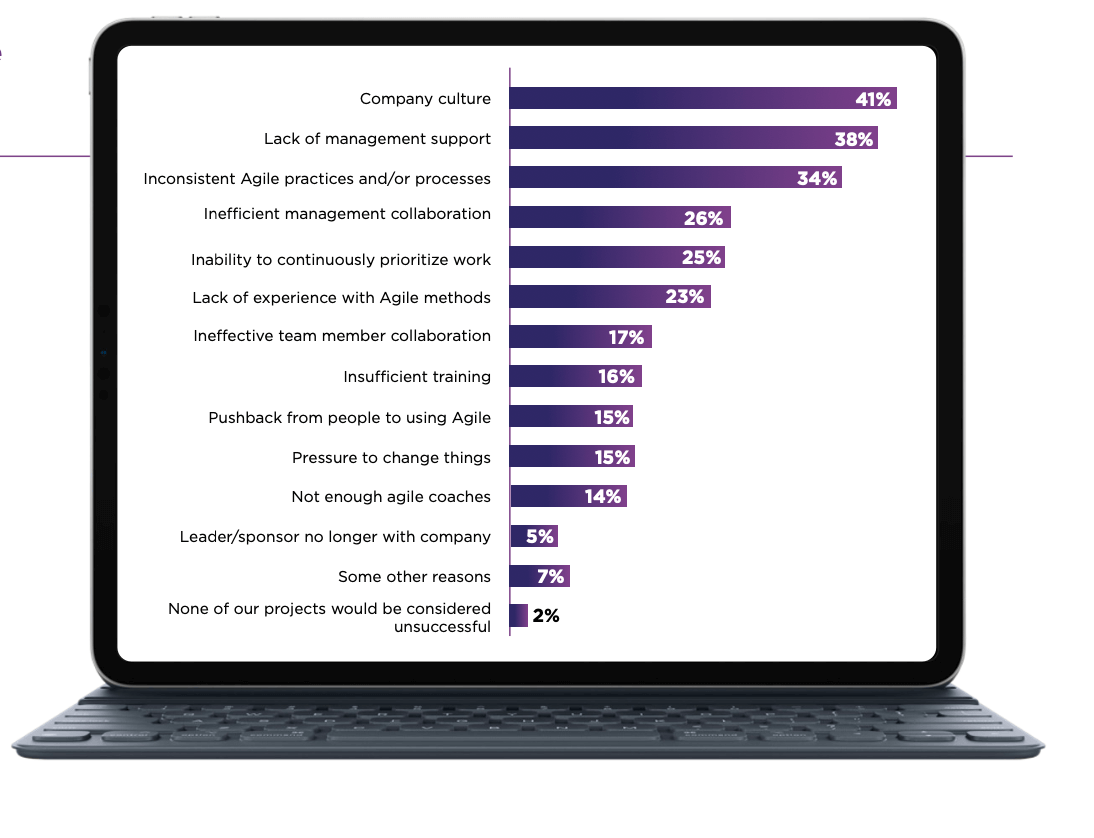
Source: 16th-Annual-State-Of-Agile-Report
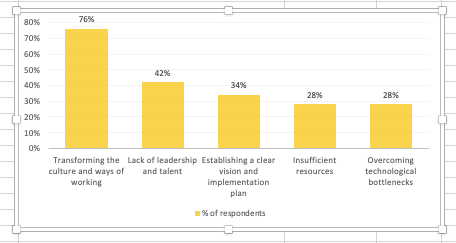
As per McKinsey & Company’s report, “More than 70 % of respondents are transforming to agile; changing the cultures is their biggest challenge.”
So, What is Agile Culture?
An organizational culture known as an agile organization culture is one that places a strong emphasis on flexibility and rapid adaptation. In workplaces with high degrees of unpredictability and change, this style of culture is frequently adopted. Decision-making is decentralized in an agile organization, where initiative and original thought are rewarded.
Agile organizations also place a strong emphasis on cooperation, transparency, and communication. They work hard to establish a culture where workers feel free valued, encouraged to experiment, and take calculated risks. Failure is accepted as a necessary component of learning in agile companies.
Large organizations need to retain the courage of bold thinking and a willingness think outside the box. As Jeff Bezos of Amazon once said:
“A big piece of the story we tell ourselves about who we are, is that we are willing to invent. We are willing to think long-term. We start with the customer and work backwards. And, very importantly, we are willing to be misunderstood for very long periods of time. I believe if you don’t have that set of things in your corporate culture, then you can’t do large-scale invention.”
Source: Cable, D (2018) Alive at Work: The neuroscience of helping your people love what they do, Harvard Business Review Press
What is Agile Mindset?
Agile organization culture and mindset goes hand in hand. The agile mindset is a set of beliefs, values, and behaviors that focus on using an agile approach to problem solving and collaboration. It is based on the idea that change is expected and even encouraged, and that people should be agile in their approach to working together. This mindset encourages flexibility and a customer-focused approach to delivering solutions. It can be applied to any team or organization and involves collaborating with stakeholders, being open to feedback, and staying focused on delivering results.
Why people are resistance to change?
Resistance to change is a common phenomenon in organizations that can arise due to various reasons such as fear of the unknown, lack of trust in leadership, and perceived loss of control. Addressing this resistance requires effective communication, involvement of employees in the change process, creating small success in your organizations by applying change on a Pilot initiative, providing support, and resources to facilitate the transition.
To enable organization change:
It is important to have:
- A clear vision and strategy.
- Communicate effectively with all stakeholders.
- Provide adequate resources.
- Address elephant in the room, fear of losing job, control.
- Support, and continuously monitor and evaluate progress.
- Additionally, involving employees in the change process and fostering a culture of innovation and adaptability can also help facilitate successful organizational change.
- Consider moving form defined to empirical process
Selling Agile to Executives
Selling Agile to leaders requires understanding of their perspective and addressing their concerns effectively. Think from their point of view and see what their priorities are. Here is our blog on how to sell Agile to leaders?
Scaling Agility at Enterprise Level
Agility at the enterprise level essentially refers to the ability to shift strategy, structure, processes, people, and technology in the direction of a new operating model by reorganizing the company around thousands of self-directing, high-performing teams that are backed by a strong foundation. Many companies place an emphasis on and have discussions about tribes, squads, chapters, scrums, and DevOps pipelines when beginning an agile transformation. However, our study demonstrates that the people dimension-particularly culture-is the most challenging to master. In actuality, the difficulties associated with culture shift occur more than twice as frequently as the average of the other top five difficulties.
4 Type of Organizational Culture
- Clan culture: A clan culture is one that is centered around family, care, and trust. Employees in this type of culture are highly collaborative, caring, and work together to achieve their goals.
- Adhocracy culture: An adhocracy culture is one that encourages innovation and creativity. Employees in this type of culture are encouraged to take risks and experiment with new ideas.
- Hierarchy culture: A hierarchy culture is one that is focused on structure and order. Employees in this type of culture are expected to adhere to rules and regulations and are rewarded for following the chain of command.
- Market culture: A market culture is one that is focused on competition and results. Employees in this type of culture are expected to achieve results and compete to be the best.
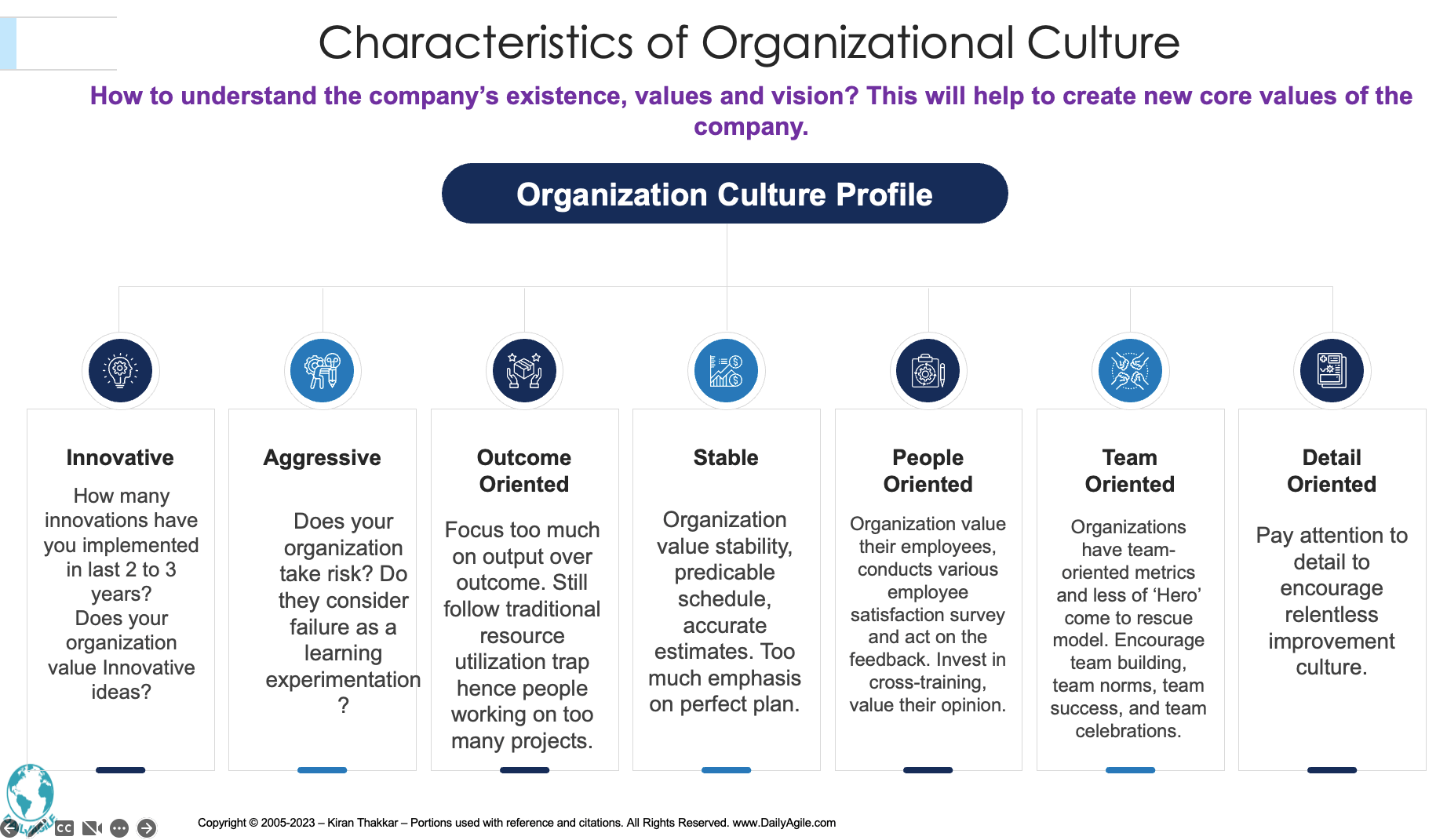
Assess and Create Your Organization Culture Profile
Six Guidelines for Culture Change
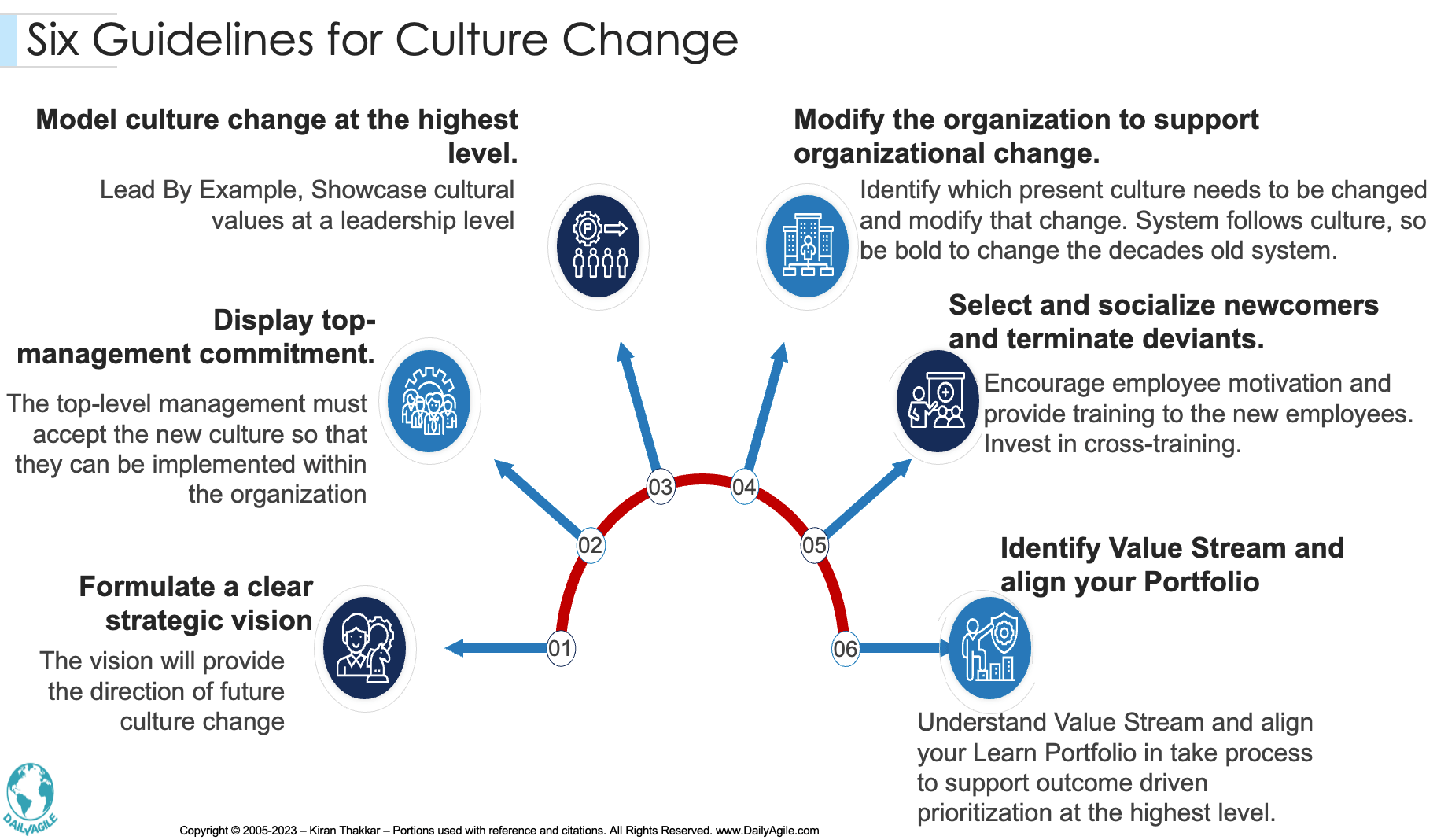
Steps to change organization culture.
It takes a great deal of work, dedication, and time to change an organization’s culture. The general actions that can be done to alter an organization’s culture are as follows:
- Evaluate the current culture: The first stage is to determine the organization’s current culture. Surveys, conversations, and focus groups can be used for this.
- Create a Vision for the desired culture: After determining the current culture, the following stage is to specify the desired culture. This can be accomplished by outlining the values, attitudes, and conduct that the group hopes to encourage.
- Communicate – Explain the change: When it comes to modifying corporate culture, communication is essential. All staff members and stakeholders need to be informed of the shift. There must be clear and constant communication.
- Set an example: The executive team must lead by example to change the culture. They must set an example for the desired ideals and behaviors.
- Align the systems and processes: The organization’s systems and procedures must be in line with the intended agile culture. This indicates that to support the new mindset, policies, priorities, procedures, and practices must be modified.
- Offer education and training: Workers must receive agile training on the new mindset. Workshops, training courses, and mentoring can all be used for this.
- Recognize and reward desired behaviors: Employees who display desired behaviors need to be commended and given rewards. Incentives, promotions, and other awards can help with this.
- Track and assess success: It is critical to track and assess the culture change’s progress. Surveys, focus groups, and other forms of input are effective ways to accomplish this.
- Inspect and Adapt: Lastly, it is critical to modify and adapt the change process considering input and outcomes. Iterative processes like this call for ongoing development.
Additional Reading:
- Why Product Mindset? Project vs Product Mindset
- Reevaluate your Enterprise level portfolio planning – Starting a Lean Portfolio Management
Conclusion:
Flexibility, collaboration, continuous improvement, employee satisfaction, and customer satisfaction are key components of the agile organizational culture. It is a set of values and guidelines that empower people and groups on how to react to change and uncertainty in a resilient and adaptable way.
Do you have agile organization culture to successfully lead digital transformation, business transformation? We offer customized Agile organization culture training to executives. Partner with DailyAgile and let us help you accelerate business agility, check out our upcoming workshops at: https://dailyagile.com/all-courses/. Contact us, if you are looking for free 1 hour webinar on any agile topic with your agile leaders. We wish you best luck in your agile journey.
By Kiran Thakkar, 1.800.758.AGILE(2445)